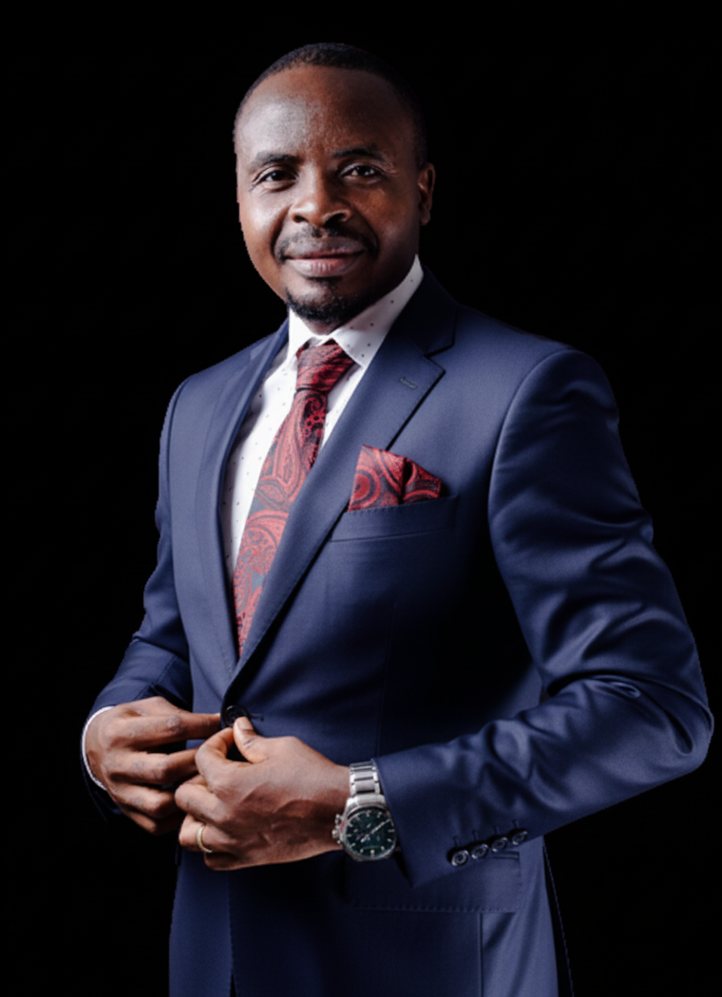
On 15 May 2026, 135 years after Rerum novarum, Pope Leo XIV published the encyclical Magnifica Humanitas, « on the protection of the human person in the age of artificial intelligence ». I read it as an engineer, as an African entrepreneur and as the author of Les Bâtisseurs d’Intelligences. Here is what I take from it. Quotations below are my own translations from the French edition.
Babel or Jerusalem
The text opens with two images. Babel, the tower built in pride, with « one language, one technology, one direction ». And Nehemiah rebuilding the walls of Jerusalem, where each family is given a section of wall. For the Pope, the real choice is not between « yes » and « no » to technology, but between these two ways of building (§ 9).
This image speaks to Africa. The Babel model is an intelligence designed elsewhere, in a single language, imposed on all. The Nehemiah model is a building site where everyone lays a stone: our languages, our data, our talent.
Data as a common good
The passage that struck me most extends the universal destination of goods to « patents, algorithms, digital platforms, technological infrastructure, data » (§ 67). The Pope writes that ownership of data « cannot be left solely to private actors » and that data is « the fruit of the contribution of many » (§ 108). That is exactly the first principle of our Manifesto: data sovereignty.
The geographies of power
In § 109, the encyclical asks us to question « the geographies of power that determine who can train models and who is merely the object of training », and to recognise « the invisible, often exploited labour that feeds algorithmic models ». I could not have summed up Africa’s situation better: we supply the minerals, the annotators and the data, and we capture almost none of the value.
Disarming AI
The Pope uses a strong word: to « disarm » AI, that is, to take it away from monopolies and make it « open to debate, open to challenge, and therefore habitable » (§ 110). He also refuses to let a handful of people decide the morality of machines on their own (§ 107), and insists that no decision on credit, employment or access to services should be left to an algorithm that nobody answers for (§ 102-105).
What it means for our projects
- In banking and insurance, every decision made by an AI agent must remain traceable, explainable and open to challenge. That is the core of our CIMA and COBAC certifications.
- In model architecture, open protocols such as Ankh AI can turn AI production into a shared building site, where those who provide compute, talent and data receive their share.
- In public policy, the call for collective discernment and subsidiarity matches our demand for national AI strategies with real budgets.
Believer or not, every builder of intelligences will gain from reading this text. It recalls something the technology race makes us forget: the quality of a civilisation « is not measured by the power of its means » (§ 114).
The full text of the encyclical is available on the Holy See’s website, vatican.va.